
India vs Pakistan Asia Cup 2025: Cricket, Terror, and the Divide in Public Sentiment
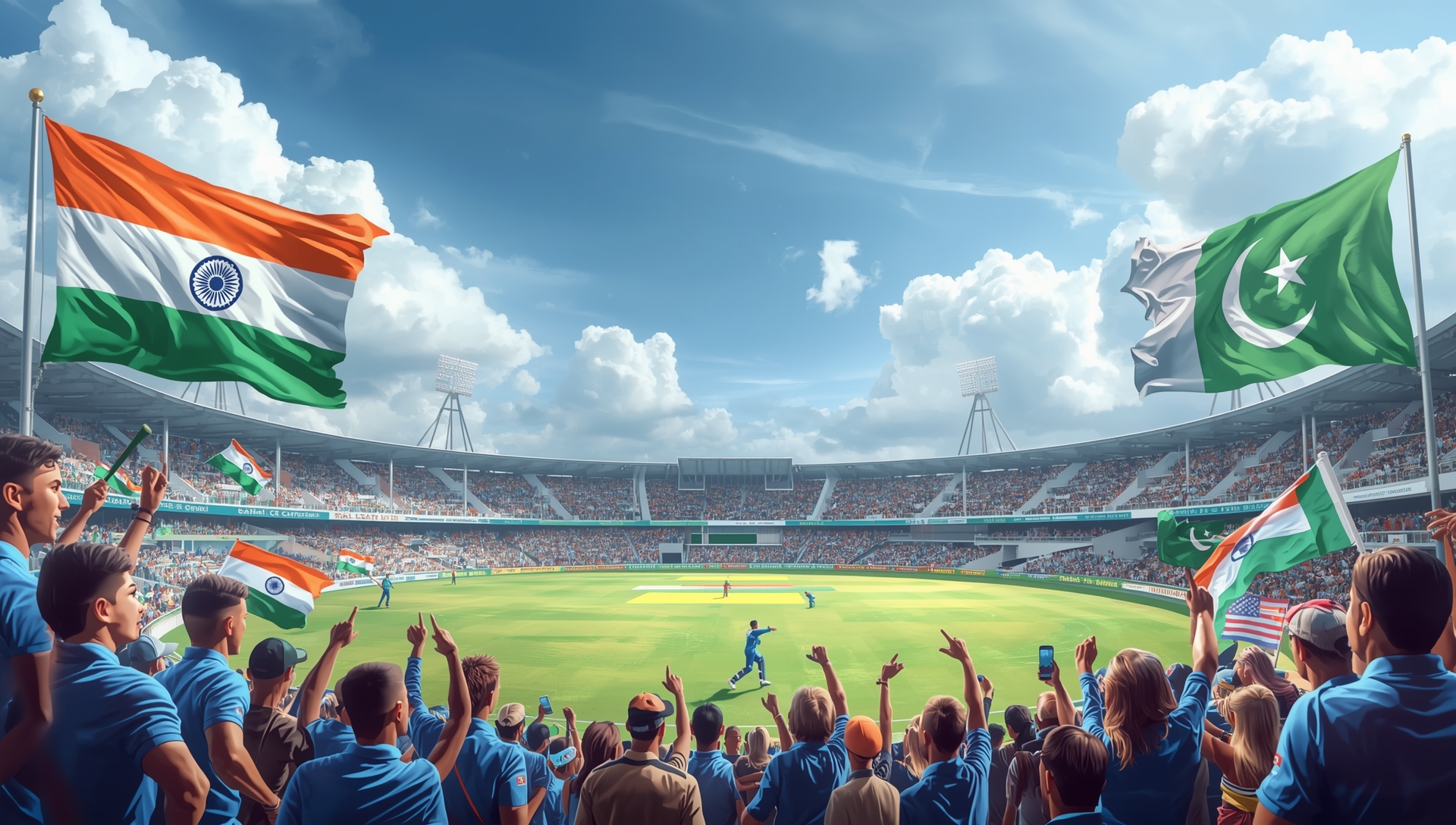
When India and Pakistan meet on a cricket field, it is never just a game. The upcoming clash in the Asia Cup 2025 at Dubai International Stadium has once again stirred up debates beyond sport, reopening old wounds and forcing both fans and policymakers to grapple with a complex question: should cricket be separated from politics?
A Rivalry Overshadowed by Terror
India and Pakistan share one of cricket’s fiercest rivalries, but the contest has often been interrupted by political and security issues. Decades of conflict and repeated terror attacks on Indian soil, many of which was done by the Pakistan-based terror groups, have left scars that resurface whenever the two teams are scheduled to play.
From the 2008 Mumbai attacks to Pulwama in 2019 to the Pahalgam, Indian public sentiment has repeatedly hardened against sporting engagements with Pakistan. Even in 2025, this history continues to color perceptions. While the Asia Cup is happening on neutral ground in the UAE, several voices in India — including veterans, political leaders, and ordinary citizens — argue that playing Pakistan legitimizes a state that are sheltering and enabling terror groups and also provides the monetary benefits to a terror supporting state
The Divide Within India
The Indian public Opinion is not completely unanimous:
Calls for Boycott: There are lives of Hundreds of soldiers and common people lost due to the activities by the Pakistan. Sections of society strongly oppose any bilateral or multilateral fixture with Pakistan, citing the human toll of terrorism. Social media often amplifies these calls, framing the match as disrespectful to victims and their families. Also people point out that the holding of such matches benefits monetarily heavily to the Pakistan through ticket sales, through the revenue share from the ICC/ACC. through the local and international AD revenue and the cut from the broadcasting revenue. This is the voice of the majority people currently.
“Cricket is Cricket” View: On the other side are fans who believe sport should rise above politics. They argue that cricket should be separated from politics and should be treated as a sport instead of a bilateral engagement, and that athletes should not be punished for political disputes. For them, the Asia Cup is about performance, pride, and entertainment, not geopolitics.
Middle Ground: A third, quieter section acknowledges the hurt caused by terrorism but feels boycotts do little to change the ground reality. They opine that as already India is not engaging in the bilateral tournaments, the matches that are part of ICC/ACC tournaments are unavoidable as it’s an international platform. They are also of opinion that as BCCI pressured to none of the tournaments to be held in pakistan but in a neutral place like UAE, the majority portion of the monetary benefit that Pakistan receives from the direct ticket sales from such tournaments are already stopped. Keeping these practicalities in mind they prefer to focus on India defeating Pakistan on the field rather than withdrawing altogether.
Political and Security Calculus
The Indian government has maintained a tough stance on bilateral cricket, refusing to host or tour Pakistan since 2012. Matches only happen in ICC or ACC tournaments, where participation is mandatory. Even then, security agencies and diplomats weigh in, ensuring no risks to players or fans.
This Asia Cup is no different: despite being hosted in the UAE, the fixture is under heavy security scrutiny. Organizers have ramped up measures, mindful of the symbolic weight the game carries and the possibility of external attempts to disrupt it.
The Players’ Perspective
Interestingly, both teams’ captains and coaches have tried to downplay the political noise. For them, the match is about cricketing rivalry, execution under pressure, and tournament progression. Players are often caught in a paradox: on one hand, they are aware of the heightened tensions; on the other, they try to keep emotions in check and focus on performance.
Beyond Cricket: A Mirror of Relations
The fuss around this match highlights how deeply entwined cricket and geopolitics are in South Asia. For many Indians, cheering against Pakistan is not just about sporting rivalry but also about standing against terrorism. For others, sport offers a rare chance to compete without conflict — a symbolic alternative to violence.
Ultimately, the Asia Cup clash is both a game and a reminder. A game, because players will fight for runs and wickets under floodlights in Dubai. A reminder, because every cheer and every protest reflects unresolved pain and divisions that cricket alone cannot heal.
As India and Pakistan prepare to face off in the Asia Cup 2025, the contest is as much about history and politics as it is about cricket. Whether seen as an opportunity for sporting excellence or criticized as a compromise with a nation linked to terror, the match embodies the complexity of Indo-Pak relations.
In the end, while fans may disagree on whether such games should happen at all, one thing is certain: whenever India and Pakistan meet, the world watches — not just for the cricket, but for what it represents.